
Debar Thermal Baths: Spa History, Mountain Scenery, Craft Heritage, and Travel Guide
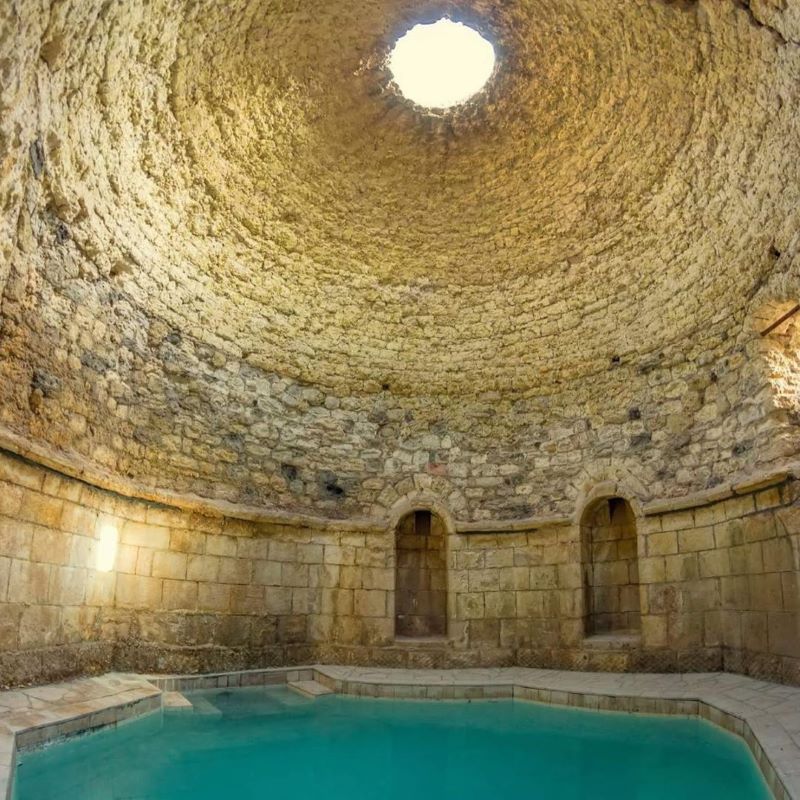
Debar Thermal Baths offer a different side of North Macedonia. Instead of a lake resort built around beaches or a mountain town built around ski slopes, Debar gives you warm mineral water, steep green hills, a strong craft tradition, and a borderland atmosphere that feels both calm and full of character. The spa area centers on Banjishte and Kosovrasti near Debar, and current tourism and resort sources describe the baths as long-established thermo-mineral sites with modern spa facilities, mountain air, and close access to Debar Lake and the Radika landscape.
Why Debar stands out as a spa destination
Debar works well for travelers who want more than a pool day. The setting gives the baths a wider sense of place. Banjishte sits at about 880 meters above sea level in a pine-covered mountain belt, while Kosovrasti looks toward Debar Lake and the Radika River canyon. That geography shapes the whole experience. You arrive for thermal water, then quickly notice the mountain light, the valley air, and the feeling of being tucked into western North Macedonia rather than simply visiting a resort complex.
The water itself gives the destination its identity. North Macedonia Timeless lists Banjishte water at 39°C and Kosovrasti at 41°C, while the Banjishte spa page describes the wider spring system at 38 to 48°C. Official resort material also highlights sulfur-rich thermo-mineral water and hydrotherapy, which explains why the baths built such a strong reputation in the region. For a traveler, the practical takeaway stays simple. Debar gives you naturally warm water in a highland setting, and that combination feels deeply relaxing from the first hour.
A spa story with real depth
The history of Debar’s thermal baths reaches farther back than the modern hotel buildings. North Macedonia Timeless says the oldest documented evidence of bathing here comes from two ancient pools in Banjishte, built in 1797 by members of an old Debar family. The same source says the formal Debar Baths institution began in 1948 and soon gained a strong name across former Yugoslavia. That timeline matters because it shows two layers at once. Debar carries an older bathing tradition, then a modern spa identity built on top of it.
Current resort material keeps that balance alive. The Bdcapa resort page calls Banjishte the oldest resort in the region and says it kept a traditional architectural appearance while adding newer accommodation and wellness services. That gives the place a softer, older feel than a typical urban spa hotel. Even when the rooms, pools, and services look modern, the wider setting still points back to a longer story of water, health travel, and mountain retreat.
The landscape around the baths
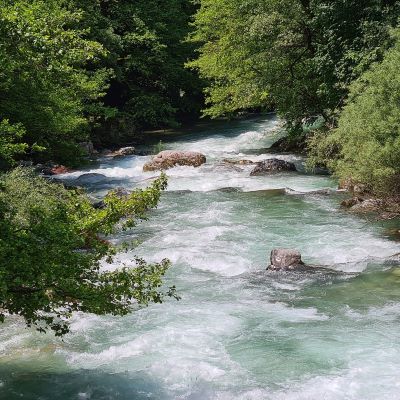
Debar’s appeal grows stronger because the baths sit inside a scenic pocket of western North Macedonia. Resort and tourism sources place Banjishte near Krchin Mountain and Kosovrasti near the Radika corridor and Debar Lake. That means your spa visit can also include lake views, short drives through canyon scenery, and quick access to monastery stops and village roads. Few spa destinations in the country offer such an easy blend of water, mountains, and cultural landmarks in one compact radius.
That setting also changes the mood of the trip across the day. Morning light works well around the pools and hotel grounds. Midday fits a short drive toward Debar town, Rajčica, or Bigorski. Late afternoon brings softer light over the lake and hills. Debar therefore suits travelers who like a balanced day rather than a single indoor activity. You can soak, walk, eat, browse, and return to the water without ever feeling rushed.
What to see beyond the spa
Banjishte Spa itself forms the anchor stop. The official resort lists hydrotherapy, fangotherapy, massage, electrotherapy, kinesitherapy, and climate therapy among its services, and that broad menu explains why visitors often stay longer than a single afternoon. Fangotherapy matters in particular here because the resort describes it as a mineral-rich mud therapy linked to the thermal water resources. If your trip focuses on wellness, Banjishte easily fills the core of the day on its own.
From there, Rajčica adds a very different layer. Tourism material highlights Rajčica Monastery as one of the standout monastic sites near Debar, only a few kilometers from town. The Bigorski monastery network also presents an active catalogue of icons and mitres and identifies the Sisterhood of Rajčica within that living monastic world. For visitors, that means Rajčica offers more than a pretty church visit. It gives a sense of living religious craftsmanship in the same region as the baths.
Bigorski Monastery fits naturally into the same route. The monastery’s official site dates its foundation to 1020 and presents it as one of the defining spiritual centers of the Debar region. A visit here adds carved wood, sacred art, mountain views, and the strong presence of the Radika valley. When you pair Bigorski with the baths, the day gains much more depth. Water and craft start to feel like two connected parts of the same western Macedonian story.
Debar’s craft identity gives the area its character
Debar has long carried a strong artistic reputation, especially in woodcarving. Recent cultural summaries describe the Debar woodcarving school as one of the region’s important craft traditions, with masters whose work reached churches and buildings across the Balkans. Bigorski stands as one of the clearest places to understand that legacy, since its carved interior and religious art remain central to its appeal. This matters for travel writing because Debar never feels like a spa zone alone. Craft, faith, and local skill shape the wider atmosphere around the baths.
That heritage also helps explain the feel of Debar town. The place sits close to Albania and carries a mixed regional identity shaped by movement, trade, and mountain routes. I could not confirm the specific claim about a honey and chestnut festival from current official Debar sources, so I would check local calendars if you plan an autumn visit. What I could confirm is Debar’s long association with craftsmanship and with the spa-and-lake landscape that surrounds it. Those two threads give the town its strongest travel appeal.
What a spa day here actually feels like
A day at Debar Thermal Baths feels gentle rather than flashy. You start with the mineral water and the mountain air. Then the pace slows down on its own. Official resort information points to pools, hydrotherapy, mud-based services, and medical support, while social updates from the resort mention pool access stretching into the evening on some days. In practice, that means you should check your service schedule before arrival, especially if you want a pool session, hydrotherapy block, or a quieter evening slot.
The food side of the experience stays simple and regional. Resort material says the kitchen serves local, Balkan, and Mediterranean specialties, which fits the setting well. After time in warm mineral water, a straightforward meal with mountain views usually feels like the right choice. Debar works best when you lean into that rhythm rather than filling the day with too much movement. A slow lunch, a short village stop, and another spa session often create the strongest result.
Practical tips for planning your visit
Debar Thermal Baths suit both day trips and overnight stays. Banjishte works well if you want a classic mountain spa setting, while Kosovrasti adds stronger lake views and easy access to the Radika side of the region. Bring swimwear, sandals, and a light layer for cooler evening air at altitude. Service hours vary by department. The official resort page lists hydrotherapy from 07:00 to 17:00 Monday through Saturday, with shorter Sunday schedules, while other resort updates advertise later pool use. Reception can give the clearest same-day answer.
If you want a fuller route, pair the baths with Bigorski Monastery and Rajčica for a culture-heavy day, or combine the spa with Debar Lake viewpoints and the Radika road for a softer scenic loop. That flexibility gives Debar one of its strongest advantages. You can shape the visit around wellness, spirituality, scenery, or all three together.
Why Debar Thermal Baths deserve more attention
Debar Thermal Baths deserve a place on any serious North Macedonia itinerary because they offer more than relaxation. The warm mineral water gives the trip its core, yet the wider setting brings history, craftsmanship, monasteries, lake scenery, and mountain calm into the same experience. Few places in the country hold those elements so close together. Debar therefore feels educational as well as restful. You leave with more than a spa memory. You leave with a stronger sense of western North Macedonia and the culture that shaped it.

Tours that include this place
Bigorski Debar Retreat

Explore Vevčani’s mountain springs, marvel at Bigorski Monastery’s carved iconostasis, then unwind in Debar’s mineral baths. A restorative 13-hour mix of faith, nature, and wellness.
Radika Mavrovo Loop
Soak in Debar’s thermal pools, trace the Radika canyon to chanting Bigorski, lunch by Mavrovo Lake, and return via quiet Kičevo valleys. A scenic 13-hour loop of waters, canyons, and villages.
Debar Thermal Getaway

Morning amid Ohrid icons, then unwind in Debar’s mineral pools with optional treatments; finish with lakeside coffee. A soothing 10h balance of culture and wellness.
Thermal Peaks Villages

Begin with a Debar soak, climb Radika and Mavrovo to Galichnik and Lazaropole for rustic lunch, then finish among Ohrid’s sunset icons. Wellness, folklore, and panoramas in 14 uplifting hours.