
Melnik: Bulgaria’s Wine Town Where Sand Pyramids Touch the Sky
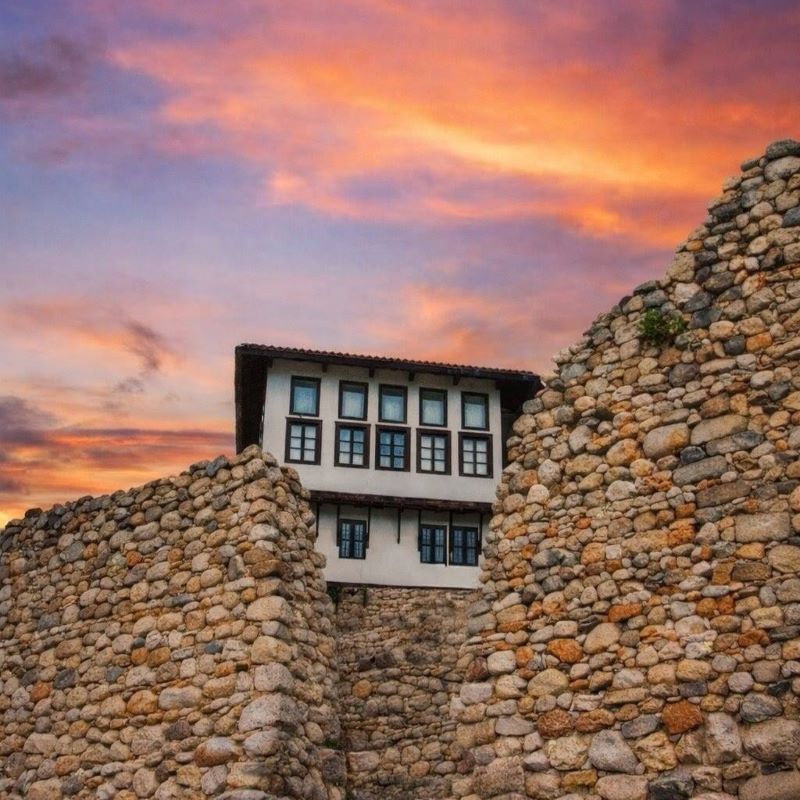
In the southwestern corner of Bulgaria, nestled among the foothills of the Pirin Mountains, lies a town that seems to grow from the very rock that surrounds it. Melnik claims the title of Bulgaria’s smallest town, with a population that fluctuates between two hundred and four hundred people depending on the season. Yet this tiny settlement draws visitors from across the world who come for its wine, its architecture, and its astonishing setting. Behind the town, sandstone pyramids rise a hundred meters into the air, their shapes changing with the light. Before it, vineyards stretch across sun-drenched slopes toward the Greek border just thirty kilometers away. Melnik is a place where history and nature have combined to create something unique in the Balkans.
The story of Melnik begins with the Thracians, the ancient people who inhabited these lands before the rise of Rome. They recognized the quality of the soil and the climate, planting the first vineyards on these slopes. The Thracians were passionate winemakers, and their traditions took root here. The Thracian and Roman periods left traces that archaeologists still uncover, but the town as we know it emerged in the 9th century. The location offered natural defenses, with the sandstone pyramids providing protection and the mountains limiting access. By the medieval period, Melnik had grown into a significant fortress town, its strategic position on trade routes bringing wealth and influence.
The Sand Pyramids of Melnik
The most striking feature of the Melnik landscape requires no explanation. The sandstone pyramids rise directly behind the town, their forms sculpted by millions of years of wind and water. These natural formations, declared a protected landmark in 1960, reach heights of up to a hundred meters. Their shapes vary constantly as erosion continues its slow work, creating pinnacles, ridges, and hoodoos that change with every rainfall. The sand contains layers of different colors, from pale yellow to deep orange, and the pyramids glow with particular intensity at sunset when the low light sets them on fire.
These formations began as sediment deposited in an ancient lake basin millions of years ago. The material hardened into sandstone and conglomerate, then tectonic forces lifted the entire region. Water and wind began their patient carving, wearing away softer material and leaving the harder formations standing. The process continues today. You can see fresh erosion scars after heavy rains, the pyramids slowly transforming before your eyes. A four-kilometer trail leads from the town up into the pyramids, climbing through the formations to reach the Rozhen Monastery beyond. This hike offers the best views of Melnik and its surroundings, the terracotta roofs of the town spread below you like a carpet.
The Glory Years of Wine
The 17th through 19th centuries marked the golden age of Melnik. The town’s wine trade flourished, with merchants shipping their product across the Ottoman Empire and into Europe. The wines of Melnik acquired a reputation that reached the highest levels. The Broadleaf Melnik grape, a variety found nowhere else, produced wines of such quality that Winston Churchill himself ordered five hundred liters of it every year during World War II. The British prime minister considered it essential to his well-being, and he had the bottles shipped to him throughout the conflict.
The wealth from this wine trade built the mansions that still line the streets of Melnik. At its peak, the town supported more than fifty churches and perhaps a hundred houses, with a population in the thousands. Merchants built in the style of the Bulgarian National Revival, creating structures that combined defensive solidity with elegant decoration. The houses feature high stone walls protecting inner courtyards, wooden bay windows projecting over the narrow streets, and interiors rich with carved wood and colored glass. More than a hundred of these buildings survive today, protected by Melnik’s designation as a museum town since 1968.
The Kordopulov House
The Kordopulov House stands as the masterpiece of Melnik’s architecture. Built in 1754 for a wealthy Greek merchant family, it ranks as the largest Revival-period house in the Balkans. The Kordopulovs traded in wine and silk, maintaining connections that stretched from Vienna to Alexandria. Their house reflects this cosmopolitan background. The facade features Venetian stained glass, a luxury in 18th-century Bulgaria, and the interior spaces show influences from across Europe.
The house rises over several levels, with the ground floor devoted to storage and the upper floors to living quarters. The winter reception room, designed to retain heat during cold months, contrasts with the summer room whose large windows catch every breeze. A secret staircase leads to hidden spaces where the family could hide valuables or even themselves during times of danger. The terrace features a sundial that still tells accurate time, and the views from this terrace extend across the town and the pyramids beyond.
Below the house, the wine cellars tunnel deep into the sandstone. These cellars maintain a constant temperature year-round, perfect for aging wine. The tunnels extend far beyond the footprint of the house, creating a labyrinth where the Kordopulovs stored thousands of barrels of their precious wine. Visitors today can walk through these cellars, seeing the original barrels and tasting the wine that continues the family tradition. The current owners produce their own wine using traditional methods, and the tasting room offers samples of the same Broadleaf Melnik grape that Churchill loved.
The Rozhen Monastery
Four kilometers from Melnik, reached by a trail that climbs through the sand pyramids or by a road that winds around them, sits the Rozhen Monastery. This monastery, dating from the 12th and 13th centuries, ranks among the most important in Bulgaria. It survived the Ottoman conquest and the centuries of foreign rule that followed, serving as a center of Bulgarian culture and faith when the nation had no political existence of its own.
The monastery church contains the largest collection of medieval frescoes in Bulgaria, painted in 1597. More than six hundred individual scenes cover the walls, depicting stories from the Bible and the lives of the saints. The artists worked in the distinctive style of the period, with bold outlines and rich colors that remain vivid after more than four centuries. The frescoes survived the centuries remarkably well, protected by the monastery’s remote location and the care of successive generations of monks.
Rozhen Monastery remains active today, with monks continuing the traditions of prayer and hospitality that have defined Orthodox monasticism for a thousand years. The monastery produces its own wine and rakia, continuing the agricultural traditions that sustained it through hard times. Visitors can explore the church, the museum, and the grounds, experiencing the peace that draws people to monastic life.
The Wine Museum and Cellars
Back in Melnik, the Wine Museum offers a comprehensive introduction to the region’s most famous product. The museum occupies an old wine cellar carved into the sandstone, its tunnels maintaining the perfect conditions for aging. Exhibits trace the history of winemaking in the region from Thracian times through the present, with displays of traditional tools, old bottles, and historical documents.
The tasting room allows you to sample the wines that have made Melnik famous. The Broadleaf Melnik grape, known locally as Shiroka Melnishka Loza, produces a full-bodied red with distinctive character. The grape grows only here, its roots drawing something from the sandy soil and the mountain climate that cannot be replicated elsewhere. Winemakers also produce blends using international varieties, but the pure expression of the native grape remains the essential Melnik experience.
Beyond the museum, the hills around Melnik hold countless wine cellars carved into the rock. Generations of winemakers tunneled into the soft sandstone, creating storage spaces that maintain constant temperature and humidity. Some of these cellars remain in use, while others stand abandoned, their entrances half-hidden by vegetation. The rock-cut cellars represent one of the most distinctive features of the Melnik landscape, evidence of the central role wine has played here for centuries.
The Despot Slav Fortress
Above the town, the ruins of the Despot Slav Fortress look out across the valley toward Greece. The 13th-century fortress takes its name from Despot Alexius Slav, a Bulgarian noble who ruled this region as an independent ruler during the period of Latin rule in Constantinople. His fortress controlled the approaches to Melnik and the passes into what is now Greece, a strategic position of enormous importance.
The ruins today consist mainly of foundations and fragments of walls, but the location retains its power. Standing among the stones, you look out across the same landscape that medieval defenders watched, the mountains rising to the north and the valley stretching south toward the Aegean. The site offers the best panoramic views of Melnik and its pyramids, the town spread below you like a model of itself. Sunset draws photographers to this spot, the dying light turning the sandstone to gold.
The Churches of Melnik
Fifty churches once served the spiritual needs of Melnik’s population. Most have not survived. The church of Saint Nicholas, the largest and oldest, stands now as a ruin, its walls open to the sky. The church of Saints Peter and Paul, dating from the Byzantine period, retains more of its structure, with fragments of frescoes still visible on the walls. These ruined churches, scattered through the town and the surrounding countryside, speak of Melnik’s lost glory.
The smaller churches that survive continue to serve the remaining population. Saint Anthony’s church, built into a rock face, represents the tradition of cave churches that flourished in this region. The church of the Presentation of the Virgin, dating from the 18th century, contains fine icons and a carved wooden iconostasis. Visiting these churches, you understand the depth of Orthodox tradition in this place, a faith that survived centuries of foreign rule and decades of communist atheism.
The Greek Houses
The population exchange of 1913, following the Balkan Wars, transformed Melnik. The town had long been mixed, with Greeks and Bulgarians living side by side. After the wars, the Greek population left for Greece, and Bulgarian refugees from Greek-held territories arrived to replace them. The Greek houses stood empty for years, their owners gone and their contents dispersed.
Some of these houses remain abandoned today, their walls crumbling and their roofs collapsing. These ruins, known as the abandoned Greek houses, attract urban explorers and photographers who document their decay before time completes its work. The empty windows look out across the town, and the silence inside these houses contrasts with the life that once filled them. For visitors interested in the layered history of the Balkans, these abandoned houses offer a powerful reminder of how populations moved and lives were disrupted.
Melnik Cuisine and Tavern Culture
The mehana, or traditional tavern, forms the heart of Melnik’s social life. These establishments serve the hearty food of the Pirin region along with the wines that made the town famous. The signature dish, papuda, consists of beans baked with peppers and onions in a clay pot, a simple preparation that reveals the quality of local ingredients. Mehana Mencheva Kashta, a traditional inn, serves this dish along with other regional specialties in a setting that feels unchanged for centuries.
Beyond the taverns, local families sell homemade products from their doorsteps. Fig jam, made from the figs that thrive in the Mediterranean climate, provides a sweet taste of the region. Sheep yogurt, thick and tangy, accompanies meals and appears in desserts. The market stalls offer wines in plastic bottles, the homemade production of families who continue traditions that go back generations. These simple wines, unpretentious and direct, may lack the polish of the commercial wineries, but they carry the authentic taste of this place.
Rupite and Baba Vanga
A short drive from Melnik, the springs of Rupite emerge from the earth at mineral temperatures. The Romans built baths here, recognizing the therapeutic value of the waters. The springs maintain a constant temperature around 75 degrees Celsius, and the mineral content gives the water a distinctive taste and feel. Local people come to soak in the pools, believing in the healing properties of the minerals.
Rupite gained wider fame through its association with Baba Vanga, the blind mystic who became one of the most famous figures in 20th-century Bulgaria. Vanga lived at Rupite for many years, receiving visitors who sought her prophecies and counsel. Her house stands preserved near the springs, and her grave attracts pilgrims who leave offerings and seek her intercession. The church she built, Saint Petka, features murals painted to her specifications, with images that differ from traditional Orthodox iconography. For visitors interested in the spiritual dimensions of Bulgaria, Rupite offers a connection to a modern mystic whose influence extended far beyond the country’s borders.
Practical Melnik
Getting to Melnik requires about two and a half hours of driving from Sofia, the Bulgarian capital. The road passes through mountainous scenery before descending into the Struma Valley. Daily buses connect Sofia with Sandanski, the nearest town, and from Sandanski you can take a local bus or arrange a taxi for the final twenty kilometers. Having a car provides more flexibility, especially for visiting the Rozhen Monastery and the surrounding wineries.
Accommodation ranges from simple guesthouses to luxury hotels. Family-run guesthouses offer rooms for twenty-five to sixty euros per night, with breakfast included and homemade wine available in the evening. At the upper end, the Zornitza Family Estate Relais Chateaux provides five-star service in a restored traditional building, with a spa, a pool, and a wine cellar stocked with the best local vintages.
The best times to visit are May through June and September through October. The weather during these shoulder seasons stays pleasant for hiking, and the crowds of summer have not yet arrived or have already departed. Summer brings heat and crowds, with the narrow streets of Melnik filling with day-trippers. Winter offers a different atmosphere, with the pyramids dusted with snow and the taverns warm with fire, but some facilities close during the coldest months.
Cash remains essential in Melnik. Many smaller establishments accept only Bulgarian lev, and while the country plans to adopt the euro in late 2025, that transition has not yet happened. ATMs exist but can run out of cash during busy periods, so arriving with sufficient funds prevents problems. Winery tours require advance booking, especially during peak season, and the most popular cellars fill up weeks ahead.
As you leave Melnik, climbing the road toward the pass and looking back at the pyramids glowing in the afternoon light, you carry with you the taste of that unique wine and the image of those sandstone forms. This tiny town, with its huge history, has welcomed travelers for centuries. It will welcome you too, if you make the journey. And like Churchill and all those who came before, you will remember the wine of Melnik long after you return home.
If Melnik is the highlight you want to include, take a look at Sandanski & Melnik Wine Lanes via Pirin Passes.
