
Bitola, North Macedonia: A City of Consuls, Coffee, and Living History
Bitola is one of those cities that reveals itself slowly, then stays with you long after you leave. At first glance, it feels elegant and relaxed, with broad streets, old facades, and a steady rhythm shaped by daily coffee, evening walks, and conversation. Then, as you spend more time here, the layers begin to show. Ancient kings once ruled this area. Roman builders left behind a city of mosaics and theaters. Ottoman officials, merchants, and diplomats gave Bitola a cosmopolitan character that still defines its atmosphere today. In the 19th century, consuls from across Europe set up offices here, which gave the city its famous name, the City of Consuls.
That long history gives Bitola a rare kind of depth. You can walk from a lively café street to an archaeological site within a short drive. You can move from Ottoman-era landmarks to neoclassical buildings within a few blocks. You can spend the morning learning about empire and trade, then spend the evening joining locals for a korzo walk along Shirok Sokak. Everything feels connected. The old and the current sit side by side in a way that feels natural.
Bitola also sits in a beautiful setting. The city stretches across the Pelagonia plain, with Baba Mountain rising behind it. That landscape gives the city a sense of openness while also framing it with a strong mountain backdrop. The Greek border lies only about 14 kilometers away, which adds another layer to Bitola’s identity. This has always been a place of movement, exchange, and crossroads. Traders passed through. Consuls arrived. Ideas circulated. Today, visitors still feel that borderland energy in the food, the architecture, and the easy mix of cultures that shapes everyday life.
For travelers with limited time, Bitola works beautifully as a one-day or weekend destination. It is easy to reach, easy to walk, and rich in landmarks. Yet what makes it special goes beyond the checklist of sights. Bitola offers mood, texture, and pace. It invites you to look closely, sit longer, and let the city explain itself one street, one square, and one conversation at a time.
A City Shaped by Kingdoms, Empires, and Consuls
To understand Bitola, it helps to start with its deep past. The wider region once formed part of the ancient kingdom of Lynkestis. That early chapter placed this area within the story of ancient Macedonia and set the stage for the centuries that followed. Later, the Romans built Heraclea Lyncestis nearby, turning the area into an important urban center linked to wider trade and military routes. Those ruins still stand today, which gives modern visitors a direct way to connect with Bitola’s earliest urban roots.
As time moved on, Ottoman influence reshaped the city. Markets, mosques, public buildings, and a strong craft tradition gave Bitola a different urban identity. This period also brought a rich social mix. Macedonian, Ottoman, Aromanian, and other communities all contributed to the city’s character. That blend still gives Bitola its cultural depth. You see it in food, in architecture, in family names, and in the stories locals tell about the city.
During the 19th century, Bitola entered another major chapter. Foreign consulates opened here, and the city gained regional importance as a diplomatic and commercial hub. That is when the name City of Consuls became part of Bitola’s identity. The elegant urban look of the center, especially around Shirok Sokak, still reflects that era. Grand facades, refined storefronts, and civic buildings from that period give the city an air of quiet confidence.
This mix of ancient, Roman, Ottoman, and late Ottoman European influence makes Bitola far more than a pretty provincial city. It gives the place a strong narrative arc. Every historical period added something visible and lasting. As a visitor, you feel that continuity as you move through the city.
Shirok Sokak and the Heart of Everyday Bitola
Every city has a street that explains its spirit. In Bitola, that street is Shirok Sokak. This long pedestrian promenade forms the social heart of the city. It carries the memory of the 19th century in its neoclassical facades, yet it also feels current and alive at every hour of the day.
In the morning, cafés begin to fill with locals who know how to take coffee seriously. Bitola has a strong café culture, and Shirok Sokak is where that culture comes into full view. Tables spill out onto the pavement. Friends meet for a slow drink and a long conversation. Families stroll past shop windows. Students pass through on their way across town. The street never feels rushed. It moves with confidence and ease.
By late afternoon and early evening, the atmosphere shifts into the city’s beloved korzo tradition. People head out for an evening walk, dressed well, ready to see and be seen. This ritual says a lot about Bitola. The city values presence, style, conversation, and public life. Visitors who join the walk get more than a pleasant stroll. They get a direct view into the social rhythm of the place.
Shirok Sokak also works as a visual guide to the city’s layered past. The architecture reflects Bitola’s time as a consular hub, and the buildings create a sense of urban elegance that feels distinct within North Macedonia. Sit here for an hour, and the city begins to make sense. You see how history, style, and everyday life come together in one shared space.
The Landmarks That Tell Bitola’s Story
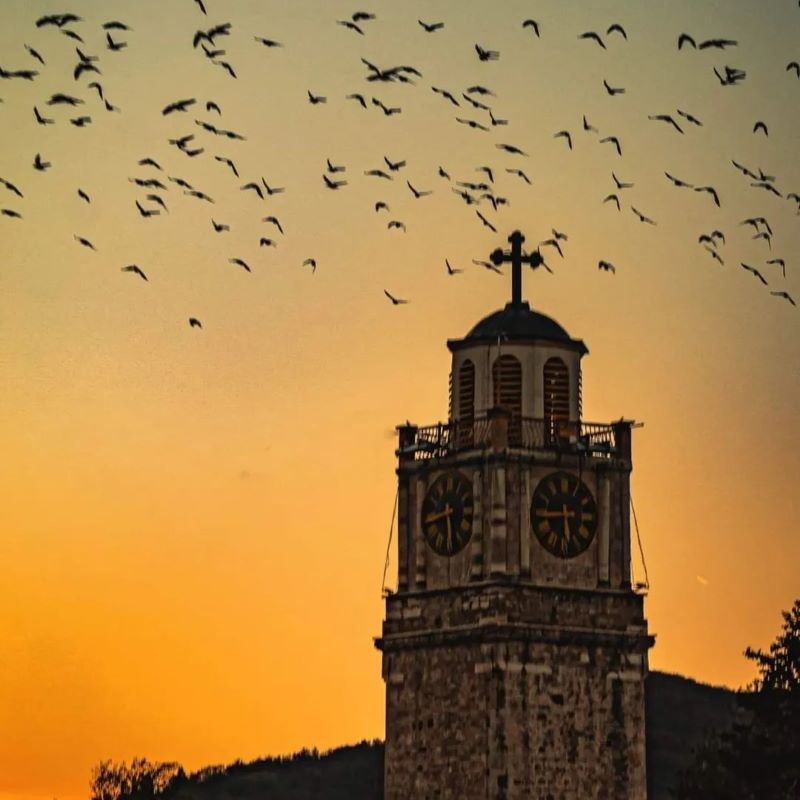
Bitola offers a compact group of landmarks that together tell the story of the city. Near the center, the Clock Tower stands as one of the city’s familiar symbols. It anchors the urban landscape and reminds visitors of Bitola’s Ottoman-era development. Nearby, Yeni Mosque adds another important layer. Its presence speaks to the city’s long religious and architectural history, and it helps explain how Ottoman influence shaped Bitola’s form and identity.
A short journey from the center brings you to Heraclea Lyncestis, one of the key archaeological sites in the country. This is where Bitola’s ancient roots come into sharp focus. Walking through the ruins helps visitors imagine the scale and structure of Roman urban life in the region. The mosaics, the remains of public spaces, and the outline of the old city all create a vivid connection to the past. For first-time visitors, Heraclea adds depth to the whole Bitola experience. It turns history from something abstract into something you can see under your feet.
The City Museum offers another essential stop. Housed in the former military academy linked to Mustafa Kemal Atatürk, it adds both local and wider Balkan context to a visit. The building itself carries weight, and the museum helps place Bitola within regional political and cultural history. It also gives visitors a useful bridge between the city they see outside and the long story that shaped it.
Together, these landmarks create a clear path through Bitola’s identity. One site points to ancient Macedonia and Rome. Another reflects Ottoman city life. Another shows Bitola’s role in wider political and educational history. Seen together, they form a coherent and rewarding city experience.
Culture, Markets, and the Soul of the City
Bitola’s cultural life comes from more than monuments. It lives in the habits, sounds, and small daily rituals that shape the city. One of the strongest parts of that identity comes from its mixed heritage. Macedonian, Ottoman, and Aromanian influences all live here in visible ways. That blend gives Bitola warmth and character.
The city’s markets capture that spirit well. Turkish-style market culture still influences the feel of local trade, especially in the older parts of town. Walking through these areas offers a different side of Bitola from the polished facades of Shirok Sokak. Here, the city feels grounded, practical, and intimate. You hear bargaining, greetings, and local accents. You see food, household goods, and daily life moving at close range.
Bitola also has a strong connection to film. The Manaki Brothers festival gives the city an important place in the cultural life of the region. That film tradition adds another layer to Bitola’s image. This is a city that values storytelling and image-making, and that artistic thread fits naturally with its rich visual identity.
During summer, the Bitola Open City festival brings extra energy to streets and public spaces. Music, events, and open-air activity add a lively seasonal note to the city’s already social character. Even outside festival dates, Bitola feels expressive. It is a city that likes public life. People gather, talk, watch, and participate. That quality gives visitors an easy way in. You do not need a complicated plan to enjoy Bitola. You simply need to step outside and join the rhythm.
What to Eat, When to Go, and How to Explore
Bitola rewards slow travel, yet it also works well for short stays. A one-day itinerary can cover the city center and Heraclea Lyncestis with ease. Start with Shirok Sokak and the central landmarks, then head to Heraclea for the historical core of the experience. Add the City Museum, a café stop, and an evening walk, and you will leave with a strong sense of the place.
A weekend stay opens the door to the wider region. Baba Mountain rises behind the city, which makes Pelister National Park a natural extension of any Bitola trip. Prespa also fits well into a longer itinerary. With those additions, Bitola becomes the cultural anchor of a broader journey through mountains, lakes, and borderland landscapes.
For food, locals often point visitors toward tavče gravče and sheep-milk kashkaval. These local flavors help ground the trip in the region’s traditions. Ask around, follow local advice, and choose places that feel lived in. Bitola is a city where recommendations still matter. A good meal often begins with a simple question to someone who knows the area.
In practical terms, Bitola stays accessible throughout the year, with intercity buses and rail links that connect it to Skopje and Thessaloniki. The city’s compact center makes local exploration easy on foot. September and October stand out as especially pleasant months to visit. The air feels softer, the pace suits walking, and the city settles into a comfortable rhythm after summer.
One small piece of local etiquette can improve your visit. Around midday, especially on and around Shirok Sokak, a quieter rhythm takes over. Respecting the local siesta culture shows awareness and helps you move through the city in a way that feels natural rather than rushed.
Why Bitola Stays With You
Bitola stays in memory because it offers more than sights. It offers a sense of place that feels clear and complete. History here does not sit behind glass alone. It lives in the street plan, the architecture, the café tables, and the evening walk. Geography adds another layer, with the plain stretching outward and Baba Mountain giving the city a strong natural frame. Culture fills the rest, from market life and mixed heritage to film, festivals, and food.
For travelers with limited knowledge of the region, Bitola makes an excellent starting point. It is easy to understand on the surface, yet rich enough to reward deeper curiosity. You can enjoy it for its beauty and atmosphere from the first hour. Then, with each stop and conversation, the city reveals another part of its story.
That is the real charm of Bitola. It feels welcoming right away, yet it continues to unfold. You arrive for the promenade, the ruins, or a weekend escape. You leave with a stronger sense of how history, culture, and everyday life can shape a city with grace.

Tours that include this place
Bitola Highlights Trek

Three-hour Bitola intro: clock tower, Ottoman bazaar, Yeni & St. Demetrius, Shirok Sokak, Atatürk room, Heraclea mosaics, and panoramic cemeteries. History and views on an easy walk+drive.
Bitola Pelister Heritage

Half-day blend of Bitola’s monuments and Pelister nature: Clock Tower, bazaars, St. Demetrius, Heraclea mosaics, then forest drive to Hotel Molika and Big Rocks lookout. Culture, air, and views.
Bitola Rotino Tasting

Bitola culture meets countryside flavors: monuments and Heraclea, Pelister pine stop at Molika, then Rotino for organic chestnut honey and sheep cheese beside a quiet lake. Five enriching hours.
Ohrid Bitola Legacy

Compare UNESCO Ohrid’s churches and fortresses with Bitola’s mosques, bazaar, and Heraclea mosaics. Two cities, one 11h story of trade, faith, and empire.