
Jasen Nature Reserve: Kozjak Lake, Caves, Wildlife, and Travel Guide
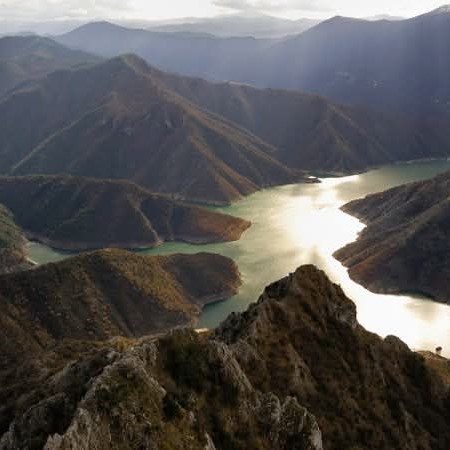
Jasen Nature Reserve offers one of the wildest day trips in North Macedonia. The reserve sits close to Skopje, yet the atmosphere feels far removed from city life. Forest roads, limestone ridges, deep ravines, and the long blue ribbon of Kozjak Lake shape the landscape from the first kilometer. The reserve belongs to a protected multipurpose area managed by a public enterprise, and official material places it across 24,127 hectares that include Karadzica, Suva Planina, Suva Gora, the Kozjak reservoir, and the Matka area on its northern edge.
Why Jasen feels so different from other day trips near Skopje
Jasen feels different because it gives you real scale. This is a large protected mountain landscape rather than a single picnic site or a short canyon walk. The official 2010 valuation study describes a reserve that stretches from about 270 meters near Matka to 2,472 meters on Mount Karadzica. That range creates sharp changes in light, vegetation, and terrain across one protected area. A visitor can move from river canyons and reservoirs to high ridges and rocky pasture in the course of a single day.
The sense of remoteness also comes from the reserve’s structure. Jasen developed as a managed protected landscape with forestry, wildlife management, tourism facilities, and regulated movement through the area. The reserve’s official site presents it as a special protected landscape created to safeguard valuable biological, floral, faunal, geological, and hydrological features. That language matters because it explains why Jasen feels less polished and more controlled than mainstream tourist stops. Nature sets the tone here, and visitor access follows that logic.
A protected landscape with a long institutional story
Jasen’s legal history adds useful context to the visit. The official valuation study states that the wooded areas in the Ocha River basin first gained protection in 1958, then the reserve expanded in 1960. In 2005, the Government transformed the old forest reserve into the current public enterprise for managing and protecting the multipurpose area Jasen. That sequence shows how the landscape moved from a narrower reserve model toward a broader management system that includes tourism, fisheries, forestry, and conservation.
That history also helps explain why Jasen stayed relatively quiet for so long. The reserve built its identity around controlled use and conservation rather than mass tourism. Even today, the official site emphasizes regulated transit windows, organized visits, and direct contact for reservations. Jasen therefore rewards travelers who plan ahead and value a wilder, more structured experience.
Geography shapes every part of the experience
The reserve’s geography drives the whole trip. Official study material describes a karst-rich protected area with mountain massifs, canyons, reservoirs, rivers, and steep relief. The study also lists Kozjak Reservoir at about 1,200 hectares inside the reserve, while Matka and the planned St. Petka accumulation form part of the same wider hydrological system. This mix of limestone terrain and water creates the signature Jasen look, pale rock, dark forest, and long reflective water surfaces between sharp ridges.
Karst makes Jasen especially important. The reserve’s official speleology page says knowledge of its underground karst forms remains incomplete and that recent research recorded more than 30 caves and pits, with around 15 explored in detail. The page also notes that some of the deepest pits lie on the higher parts of the Jakupica and Karadzica massifs. In plain language, Jasen still holds underground spaces that science continues to map and understand. That alone gives the reserve a strong sense of mystery.
Kozjak Lake gives Jasen its visual center
Kozjak Lake anchors the visual identity of Jasen. The reserve includes the accumulation as a key part of its protected territory, and tourism pages around the reserve repeatedly point to the lake as the centerpiece for scenery, recreation, and visitor experiences. Even if you come mainly for the mountains, the lake ends up shaping the day. Roads swing above it, viewpoints open over it, and organized activities include boat rides on it.
What makes Kozjak special is the contrast between still water and rugged relief. The surrounding slopes funnel your eye down toward the lake, then the lake pulls the whole scene open again. A simple stop at a viewpoint gives a full sense of the reserve’s scale. Official visitor material also mentions guided cycling routes that lead to a viewpoint with a wide, open panorama, which shows how central those high views are to the Jasen experience.
Wildlife and birdlife give the reserve real ecological weight
Jasen matters for wildlife as much as scenery. The reserve’s official tourism and nature pages list lynx, bear, wild goat, and rich birdlife among its natural assets. The 2010 valuation study adds more detail by listing the golden eagle, booted eagle, peregrine falcon, rock partridge, hazel grouse, and other species recorded in the area. This matters for travelers because wildlife watching here carries real substance. You are entering a serious habitat, not a decorative green zone outside the capital.
That ecological value also shapes how you should move through the reserve. Quiet observation works better than loud sightseeing. Dawn and late afternoon fit the landscape well because the light softens, activity on the roads drops, and the lake surface can reflect whole slopes and ridgelines. Official visitor pages even build animal watching into their activity offers, which reinforces the idea that Jasen works best through patience and attention.
What to do in Jasen beyond taking photos
Jasen supports a wider range of outdoor activity than casual travelers often expect. The official tourism pages advertise organized visits from March to October and describe options such as jeep safari, hiking, horseback riding, wildlife watching, cycling, mushroom picking, orientation activities, and boat rides on Kozjak. Those activities show that Jasen can work for both relaxed scenic visits and more active days in the field.
Jeep safari stands out because it fits the reserve’s character so well. Jasen is large, rugged, and road linked rather than village centered. A vehicle route lets you cover distance, reach viewpoints, and understand how the terrain changes across the reserve. Hiking then adds a slower layer. Official activity pages mention routes toward viewpoints and ranger-guided outdoor programs, which means you can combine movement and interpretation instead of relying on a quick photo stop alone.
For travelers interested in caves, Jasen offers another dimension. The reserve’s own speleology page explains that the karst system remains only partly explored and that local and international teams have worked on the deeper pits and cave structures. That makes Jasen especially appealing to people who enjoy landscapes with a scientific edge. Even if you never enter a cave, knowing that a large hidden system lies under the ridges changes how you see the ground beneath you.
Culture appears in lighter, quieter ways
Jasen does not present culture in the same way as Ohrid or Bitola. Here, human traces stay lighter and more dispersed. The official tourism pages focus on lodges, ranger-led activities, and outdoor movement rather than dense historic town fabric. The reserve also lists around 60 beds and two apartments spread across seven facilities, which shows that overnight stays do exist inside the protected area, though in a low-key, practical format.
That lighter human presence suits the landscape. Jasen feels shaped by routes, field stations, pastures, and working knowledge of terrain more than by formal urban heritage. The result gives the reserve a distinct mood. You come here for the relationship between people and wilderness, where rangers, drivers, anglers, and outdoor guides know the land through use, weather, and distance.
Practical planning matters more here than at easier tourist stops
Planning matters in Jasen because access runs on rules and timing. The reserve’s official site publishes transit windows for the Skopje to Makedonski Brod route through Jasen, with specific morning, midday, and late afternoon time slots in each direction. The same official tourism pages say organized visits operate from March to October and invite travelers to reserve by phone or email. This tells you two useful things right away. First, Jasen rewards advance coordination. Second, the reserve does not work like an open roadside park where you simply appear and improvise.
I could not confirm a standard public entrance fee for general sightseeing on the reserve’s current official pages. I could confirm fishing permit prices and the reserve’s contact details, which means the safest practical step is to call or email ahead for current access terms, transport windows, and activity availability. If you plan to fish, the official site lists one-day permits at 300 denars, seven-day permits at 600 denars, fifteen-day permits at 800 denars, and annual permits at 4,000 denars.
Self-drive or an organized visit makes the strongest plan. The official visitor pages focus on organized day visits, weekend packages, and team activities rather than scheduled public transport inside the reserve. Because of that, travelers usually do best with a car, a guide, or a prearranged program through the reserve office. Carrying cash also makes sense for incidental payments, food stops, or permit-related needs once you are on the road.
How to build a strong day in Jasen
A strong full day in Jasen starts early from Skopje. Begin with the road toward Kozjak and plan a long scenic stop at one of the high viewpoints above the lake. From there, add a boat ride if available through your organized program, then continue with a short guided walk or drive deeper into the reserve. That sequence works well because it introduces Jasen in layers, first the grand landscape, then the water, then the closer detail of forest roads, ridgelines, and wildlife habitat.
If you have more time, stay overnight in one of the reserve facilities and use the extra evening and early morning light. The official tourism pages confirm on-site accommodation in several objects, and that gives photographers and quiet-nature travelers a real advantage. Jasen at dusk and dawn carries a calmer energy than the middle of the day. The lake surface often looks smoother, the colors sit deeper in the slopes, and the reserve’s feeling of distance becomes even stronger.
Why Jasen deserves more attention
Jasen Nature Reserve deserves more attention because it shows a different face of North Macedonia. It offers raw scale, regulated access, deep karst, serious wildlife habitat, and one of the country’s great reservoir landscapes within easy reach of Skopje. The official record backs that up through its protected status, large area, cave research, wildlife lists, and organized outdoor activities. Jasen is not the polished, easy version of nature. It is the richer version, where the road feels longer, the views feel earned, and the landscape still holds a sense of reserve in both meanings of the word.
If you want a practical way to explore this protected area, see Jasen Nature Reserve with Kozjak Views.
