
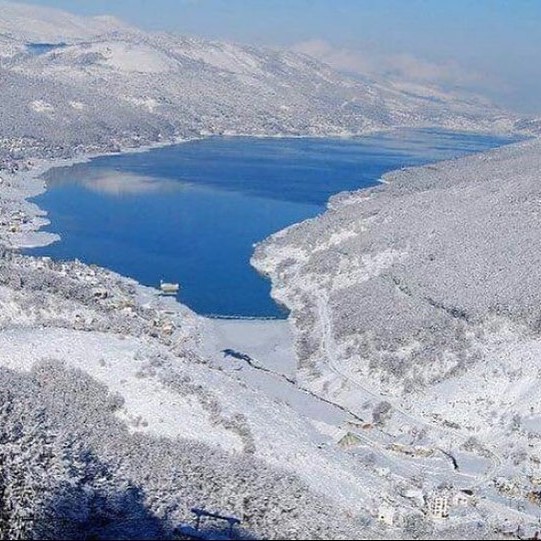
Mavrovo National Park: Mountains, Villages, Culture, and Travel Guide
Mavrovo National Park gives you a fuller picture of North Macedonia than almost any other destination in the country. You get mountain ridges, deep forest, a broad lake, stone villages, old monasteries, ski slopes, shepherd culture, and one of the key habitats of the Balkan lynx in the same region. Parliament established the park in 1949, then expanded it in 1952 to 73,088 hectares, which still defines the scale of the protected area today.
Why Mavrovo feels different
Mavrovo leaves a strong impression because the landscape changes fast. One hour can bring a lakeshore road, a beech forest, a steep canyon, and a high pasture with wide views. The park lies in the northwest of North Macedonia between Gostivar, Debar, and Kičevo, and it stretches across the southern branches of Shar Mountain, a large part of Bistra, and the Korab massif along the Albanian border. That mountain setting gives the park its scale and its constant sense of movement.
The region also carries a rare ecological weight. The park’s own biodiversity material records 50 mammal species and highlights strong populations of brown bear, wolf, Balkan chamois, and Balkan lynx. For travelers, that means Mavrovo is more than a scenic road trip. It is a living protected landscape where wildlife, forest, rivers, and traditional village life still share the same space.
A short history of the park and the lake
The story of Mavrovo starts with protection. The founding law described the area around Mavrovo Field as a national park because of its natural beauty and its historical and scientific value. A few years later, the park grew well beyond its first limits and brought 37 settlements from four local regions inside the protected area. That early decision shaped the region in an important way. Mavrovo developed as a park with villages, pastures, churches, mosques, and working landscapes inside it, not as a remote reserve cut off from daily life.
The lake then changed the visual center of the region. The Mavrovo hydropower system began in the late 1940s, and the reservoir started filling in 1952. Today the lake sits at the heart of the visitor experience, even though engineers first created it for energy production. That layered story gives Mavrovo one of its defining contrasts. The area feels ancient in its mountains and villages, yet the lake itself belongs to the modern history of the region.
Geography that shapes every visit
Geography explains almost everything a visitor sees in Mavrovo. The park covers the Radika watershed and rises from lower warm continental belts to alpine ground at 2,764 meters. The climate page on the park site shows how sharply conditions change with altitude, from warmer valley zones to sub alpine and alpine belts above 2,250 meters. That is why a summer drive can start in mild air near the lake and end in cool wind on a ridge or pass.
The park also offers more mountain variety than first time visitors often expect. Medenica on Bistra reaches 2,163 meters and gives one of the classic panoramic hikes in the region. Golem Korab rises much higher at 2,764 meters and stands as the park’s highest summit. Between them lie canyons, caves, rivers, glacial lakes, and long pasture belts that support both biodiversity and old pastoral routes.
The sights that define Mavrovo
The half sunken Church of Saint Nicholas gives Mavrovo its signature image. The church stands beside the road near the lake, and in periods of lower summer water you can also see grave stones and limestone crosses from the nearby late medieval necropolis. The scene works on two levels at once. It is visually striking, and it also captures the way the reservoir changed the original settlement pattern of the valley.
Farther south and west, the park opens into a larger mountain drama. Korab Waterfall forms on the upper course of the Dlaboka Reka and appears strongest in spring and early summer, when melting snow feeds the flow. Tourism material from North Macedonia describes it as about 130 meters high and presents it as the highest waterfall in the country and among the tallest in the Balkans. The seasonal nature of the waterfall adds to its appeal, because you have to catch it at the right moment.
Another key stop lies lower down the park road. St. Jovan Bigorski Monastery stands above the Radika River and dates, according to the monastery chronicle cited by the park, to 1020, with a major restoration in 1743. Visitors come for the church and the setting, then quickly learn about its carved iconostasis and its deep place in the religious history of western North Macedonia. Bigorski also works well in a Mavrovo itinerary because it connects mountain scenery with art, faith, and craftsmanship.
Near Rostuše, Duf Waterfall adds an easier nature stop. The park describes the waterfall as about 25 meters high and notes that the canyon keeps summer temperatures pleasant even in hot periods. That makes Duf a good choice for travelers who want a rewarding walk without a long alpine hike. It also adds variety to a Mavrovo trip, since the region already offers lake views, ridge hikes, and village visits.
If you want one more layer of local identity, look for Elen Skok, or Deer Leap. The park links this old bridge on the Mala Reka to a local legend about a deer, a hunter, and a leap across the river. That story matters because Mavrovo feels richest when you read the landscape through local memory rather than scenery alone. A bridge, a rock, or a pasture often carries a name and a story that people still remember.
What to do in Mavrovo through the year
Winter draws people first to the ski center Zare Lazarevski on the slopes of Bistra. The park calls it one of the best known ski resorts in the country, and the lake below gives the area an unusually scenic winter setting. Snow sports lead the season here, yet winter also works for quiet lake views, village stays, and photography when fog and snow flatten the color palette and sharpen the outlines of the church tower, forests, and shore.
Summer opens a different Mavrovo. The park maintains hiking and mountain biking trails across the Mavrovo valley, Bistra, and the wider region, and it notes that the routes follow standardized recreational criteria. Riders and hikers can choose easier valley trails or harder climbs toward high viewpoints. The park also promotes horseback routes and cheese tasting excursions out of Galichnik, which shows how closely outdoor activity and rural culture still connect here.
That variety gives Mavrovo real depth as a destination. One traveler can ski in winter and return in summer for a ridge walk around Medenica. Another can drive the lake loop, visit Bigorski, stop at Duf, and finish the day in Galichnik over local food. The region allows both styles because the road network connects the core settlements and tourist zones around the lake, the Radika corridor, Galichnik, and the Korab side of the park.
Galichnik, food, and living mountain culture
Galichnik gives Mavrovo much of its cultural soul. The village sits on Bistra above the lake and remains famous for stone houses, pastoral heritage, and seasonal return in summer. The park’s cultural pages present Galichnik as a village whose architecture, traditions, and living customs shape the wider cultural image of the region. When you walk through it, you feel that link between settlement and mountain life right away.
The Galichnik Wedding Festival remains the best known expression of that identity. The park says the festival takes place each year on St. Peter’s Day on 12 July, with rituals, music, dancing, and wedding customs that still hold a strong place in local memory. Around the same period, the area also hosts a shepherd focused gathering with sheep shearing, milking, cheese tasting, and evaluation. That pairing matters because it shows how celebration, food, music, and livestock culture still belong to one living tradition rather than separate tourist themes.
Food follows that same mountain logic. Park tourism material promotes cheese tasting routes around Galichnik, while other park pages mention local dairies and cheeses from the wider area. The region’s older economic life centered on livestock, sheepfolds, milk products, wool, and high pastures, and that heritage still reaches the table today through white cheese, yellow cheese, and strong dairy flavors with a highland character. A meal in this part of Mavrovo tells you as much about the landscape as a viewpoint does.
Practical tips that make the trip easier
Mavrovo rewards visitors who plan around terrain and season. The park’s climate belts range from warm continental areas to alpine conditions, so you should expect fast weather changes with altitude. A light jacket, good shoes, and extra water make sense even in summer, especially if your day includes the lake and a higher trail. On open pastures, shepherd dogs also protect flocks, so a calm pace and respectful distance help keep those encounters easy. The park’s own trail and visitor guidance also asks for careful behavior toward natural and cultural values.
Current access rules deserve attention too. In a June 2025 notice, the park announced mandatory registration for people or groups moving through forest and forest land between 6:00 and 20:00, along with a tourist tax of 100 MKD per person for each day on the park’s territory through its payment system. The same notice says local residents are exempt and asks visitors to keep proof of payment and registration with them. That makes one practical rule very simple. Check the park’s current instructions before any hiking day, especially in warm months when fire risk rises.
A smart way to spend one day or a weekend
If you have one day, start with the lake and the Church of Saint Nicholas, continue to Galichnik for the village atmosphere and a cheese based lunch, then drive the Radika road to Bigorski Monastery and Duf Waterfall. That route brings together the core themes of Mavrovo in a manageable loop, lake scenery, village culture, sacred art, canyon views, and a short forest walk.
If you have a full weekend, give the second day to the high mountains. In warmer months, choose a Medenica hike or a longer Korab focused outing. In winter, shift that second day toward the Zare Lazarevski ski area and quiet lake photography in the late afternoon, when fog often settles over the water and gives the church, shore, and slopes a softer outline. That second day changes the trip from a scenic drive into a true mountain stay.
Why Mavrovo stays with you
Mavrovo National Park stays in your mind because it gives you more than one kind of beauty. The lake offers calm and reflection. The high ridges give movement and scale. The villages carry memory. The monastery adds depth. The wedding customs and cheese routes keep culture close to the land. Even the rules of the park remind you that this place still works first as a living protected landscape and only then as a postcard.
That is what makes Mavrovo special. You do not simply pass through a pretty mountain area. You enter a region where geography, pastoral life, religion, wildlife, and modern travel still meet each other every day. For travelers who want a fuller North Macedonia experience, Mavrovo gives exactly that.

Tours that include this place
Radika Mavrovo Loop
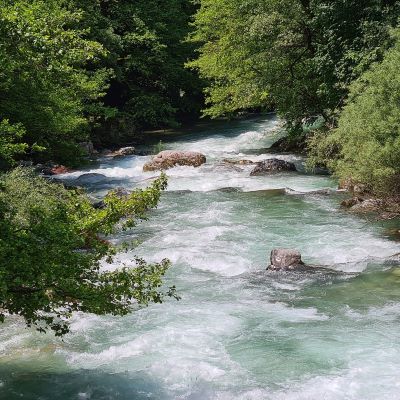
Soak in Debar’s thermal pools, trace the Radika canyon to chanting Bigorski, lunch by Mavrovo Lake, and return via quiet Kičevo valleys. A scenic 13-hour loop of waters, canyons, and villages.
Thermal Peaks Villages

Begin with a Debar soak, climb Radika and Mavrovo to Galichnik and Lazaropole for rustic lunch, then finish among Ohrid’s sunset icons. Wellness, folklore, and panoramas in 14 uplifting hours.
Mavrovo Villages Trail

From Ohrid to Bigorski chants, then Mavrovo meadows, Galichnik stone roofs, and Lazaropole pines. Picnic views and highland stories fill this 13h escape.