
Pogradec: Albania’s Lakeside Escape on Ancient Shores
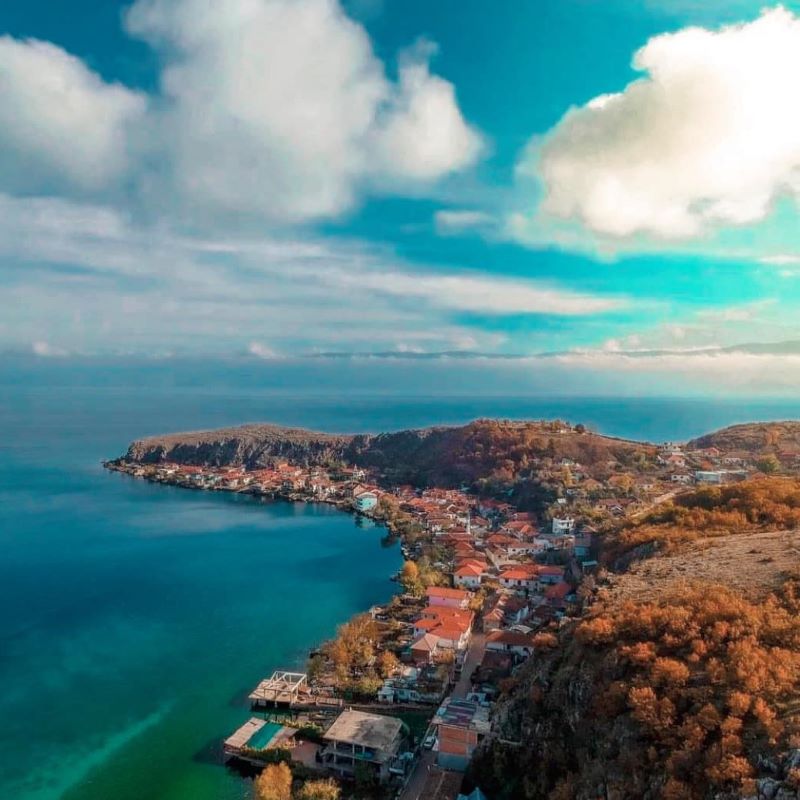
On the southwestern shore of Lake Ohrid, the town of Pogradec rests against a backdrop of mountains and water. The lake here stretches to the horizon, its surface shifting from deep blue to silver as clouds pass overhead. At 695 meters above sea level, the air carries a freshness that makes summer heat bearable and spring mornings magical. Pogradec has served as a refuge and resting place for thousands of years, from Illyrian tribes and Roman travelers to Albanian poets and modern families seeking respite from city life. This is a place where the pace slows, where the evening stroll matters more than the destination, and where the lake shapes everything from the food on your plate to the rhythm of your days.
The story of human settlement here reaches back further than almost anywhere in Europe. In 2023, archaeologists made a startling discovery near the village of Lin, just 22 kilometers from Pogradec. They found evidence of stilt houses and defensive structures dating back 8,500 years, preserved beneath the waters of Lake Ohrid. This ancient lake, one of the oldest and deepest in Europe, has guarded these secrets for millennia. The UNESCO World Heritage Site status that applies to both the Albanian and North Macedonian sides of the lake recognizes this depth of history and the unique ecosystem that has evolved here over millions of years .
The Lake That Defines a Town
Lake Ohrid is not just a feature of the landscape in Pogradec. It is the reason for the town’s existence and the center of its identity. The lake stretches 358 square kilometers across the border, with 110 square kilometers lying within Albania. Its depth reaches 288 meters in places, making it the deepest lake in the Balkans. The water remains remarkably clear, fed by underground springs that filter through the limestone of the surrounding mountains. In summer, the surface temperature near the shore reaches a pleasant 24 degrees Celsius, perfect for swimming.
The lake sustains life found nowhere else on earth. Seventeen species of fish live only in these waters, including the famous koran trout that has become the culinary symbol of Pogradec. Unique sponges, crabs, and a gastropod called Gocea ohridana complete this ancient ecosystem. When you swim in Lake Ohrid, you share the water with creatures that have evolved in isolation for millions of years, a thought that adds depth to every dip beneath the surface.
The Lakeside Promenade
The heart of Pogradec beats along its waterfront. The May 1 Promenade stretches for at least two kilometers along the lake, lined with parks, cafes, and restaurants. This is where the town comes to life each evening for the xhiro, the traditional Albanian evening stroll. Families walk slowly, friends stop to chat, and couples find benches overlooking the water. The promenade is not just a walkway but a social institution, a daily ritual that connects the community.
Along this waterfront, you find tributes to the cultural figures who shaped Pogradec’s identity. Statues of the shepherd and shepherdess in traditional costume honor the rural roots of the region. Monuments to the writers Lasgush Poradeci and Mitrush Kuteli, both born in Pogradec, remind visitors that this town nurtured some of Albania’s most important literary voices. Park benches carry quotes from Lasgush Poradeci’s poetry, inviting you to sit and read while the lake stretches out before you. A modern amphitheater with columns modeled after the Illyrian tombs of Selca connects the contemporary town to its ancient past.
Drilon National Park
Just four kilometers east of Pogradec, Drilon National Park offers a different experience of water and nature. Here, freshwater springs bubble up from underground, creating a network of crystal-clear canals and small lakes. Willow trees dip their branches into the water, wooden bridges cross the channels, and swans glide gracefully through the stillness. The park was once a private retreat during the communist era, reserved for the enjoyment of the elite. Today, it welcomes everyone to walk its paths, rent a small boat, or simply sit and watch the light play on the water.
The springs at Drilon maintain a constant temperature year-round, fed by the same underground sources that supply Lake Ohrid. The water remains so clear that you can see fish swimming deep in the channels, their shapes visible against the sandy bottom. Families bring picnics, children feed the swans, and couples drift slowly in rented rowboats. The park represents the gentle side of the Pogradec experience, a place of peace and natural beauty that requires nothing more than your presence to enjoy.
Tushemisht Village and Wooden Boats
Adjacent to Drilon, the village of Tushemisht preserves a way of life that has nearly disappeared elsewhere in Albania. Water flows through narrow canals beneath traditional stone and wooden houses, reflecting the sky and the willow trees. The village served as the filming location for the beloved Albanian movie Zonja nga Qyteti, adding cultural resonance to its physical beauty. Walking through Tushemisht, you encounter artisans who still practice traditional crafts. The wood-boat builders of this region maintain skills passed down through generations, constructing the flat-bottomed vessels that fishermen have used on Lake Ohrid for centuries.
The village also marks the starting point for one of the most rewarding excursions in the area. A flat, well-marked trail leads from Tushemisht along the lakeshore to the Monastery of Saint Naum in North Macedonia. The thirty-minute hike offers spectacular views across the lake and into the neighboring country. You need your passport for the border crossing, but the walk itself requires nothing more than comfortable shoes and a sense of adventure. This path, used for generations by locals moving between the two sides of the lake, now serves as a peaceful connection between nations.
Lin Village and the Ancient Mosaics
Twenty kilometers north of Pogradec, the village of Lin occupies a small peninsula jutting into Lake Ohrid. Stone houses climb the hillside, their narrow streets leading to one of the most significant archaeological sites in the Balkans. The early Christian basilica at Lin contains floor mosaics dating from the 4th to 6th centuries, intricate geometric patterns, and animal designs that survive in remarkably good condition. These mosaics represent some of the oldest Christian art in the region, a testament to the early spread of the faith along the Roman roads that once connected these shores.
The setting of Lin adds to the power of its history. From the top of the peninsula, you look out across Lake Ohrid toward the mountains of North Macedonia. The light changes constantly, clouds casting shadows that move across the water. This same view greeted the Illyrian inhabitants of the stilt villages eight thousand years ago, the Roman travelers on the Via Egnatia, and the Byzantine monks who built the basilica. Standing at Lin, you feel the weight of all those years, the continuity of human presence on this beautiful shore.
The Koran Trout and Culinary Traditions
No visit to Pogradec would be complete without encountering the koran trout. This fish, found only in Lake Ohrid and its tributaries, has become the culinary symbol of the region. Restaurants along the promenade advertise koran on their menus, prepared simply with lemon and butter or baked in traditional styles. The flesh is firm and flavorful, a result of the fish’s life in the deep, clear waters of the lake. However, koran has become endangered due to overfishing and poaching during the spawning season. The increased tourism of recent years has driven up demand and prices, putting additional pressure on the species. Some visitors choose to avoid koran for this reason, opting instead for other local fish or the excellent meat dishes that Albanian cuisine offers.
Beyond koran, Pogradec offers a range of culinary experiences. The restaurants along the lake serve fresh fish prepared simply, allowing the quality of the ingredients to shine. Oborri Familjar, a family-run establishment in a vine-covered courtyard, earns praise for its carp with lemon sauce and its generous portions of home-style cooking. Restorant Poradeci, with more than a century of history, offers traditional recipes including Ohrid trout with hazelnut sauce and roasted wild boar. The cafes along Rruga Naim Frasheri serve strong Albanian coffee, the perfect accompaniment to watching the lake and the passersby.
The Old Neighborhood of Toplec
In the Toplec neighborhood, Pogradec preserves its Ottoman-era heritage. Stone houses with wooden upper stories line the narrow streets, their courtyards hidden behind high walls. This area, often called the Museum District, contains the former homes of Lasgush Poradeci and Mitrush Kuteli, as well as the building that housed the second Albanian language school. When I visited, the neighborhood was undergoing revitalization, with building facades being restored and streets repaved with cobblestones. The project aims to transform Toplec into a destination like the restored bazaar in Korça, preserving the architectural heritage while creating spaces for traditional inns, restaurants, and shops.
Walking through Toplec, you understand the depth of Pogradec’s history. This is not a town created for tourism but a place that has evolved over centuries, each era leaving its mark on the fabric of the streets. The Ottoman houses stand alongside communist-era blocks and newer construction, a living timeline of Albanian architectural history.
Pogradec Castle and Panoramic Views
Above the town, the ruins of Pogradec Castle watch over the lake from their hilltop position. The fortress dates back to Illyrian times, its walls constructed to defend the settlement against invaders approaching from the interior. The twenty-minute hike from the neighborhood of Kalaja rewards you with panoramic views across the lake and the surrounding mountains. Sunset draws photographers and romantics to this spot, as the fading light paints the water in shades of orange and pink.
The castle itself has not survived intact. Only fragments of the walls remain, and little archaeological work has uncovered the full story of this site. But the location alone justifies the climb. Standing among the ruins, looking out over the lake that has sustained human life here for eight thousand years, you connect with every generation that made this journey before you.
The Illyrian Tombs of Selca
Thirty kilometers from Pogradec, the royal tombs of Selca offer a glimpse into the beliefs and practices of the Illyrian kings. Carved directly into the mountain rock in the 3rd and 4th centuries BC, these monumental tombs served as the final resting places for the rulers of this region. The facades of the tombs show Greek architectural influence, evidence of the cultural exchange that characterized the Illyrian kingdoms. Visiting the tombs requires a drive through the Shkumbin River valley, a journey through landscapes of forest and rock that have changed little since the kings were laid to rest.
Practical Pogradec
Getting to Pogradec requires about two and a half hours from Tirana by car or bus. The road follows the course of the Shkumbin River through mountain scenery before emerging onto the Korça plain and climbing toward the lake. Buses run regularly from Tirana, Elbasan, and Korça, making Pogradec an easy addition to any Albanian itinerary. From the North Macedonian side, the border crossing at Tushemisht lies just twenty-five minutes from the town of Ohrid, allowing an easy combination of the two countries in a single trip.
The best time to visit stretches from May through September. Summer brings warm temperatures perfect for swimming and the full range of lake activities. Spring and autumn offer milder weather and fewer crowds, ideal for hiking and exploring the surrounding villages. Winter settles quietly over Pogradec, with mist rising from the lake and the mountains capped with snow.
Accommodation ranges from budget guesthouses to comfortable hotels. Apartment Plaisir offers modern apartments with large balconies directly on the promenade. In Lin, Nesti Relax Home provides a peaceful guesthouse experience with homemade meals and private swimming access. Vila Ndrio in Tushemisht captures the village charm with clean rooms and traditional hospitality. Seven Café and Hotel occupies a restored early 1900s villa, combining boutique style with a prime lakeside location.
As the sun sets over Lake Ohrid and the mountains of North Macedonia darken on the eastern shore, Pogradec settles into its evening rhythm. The promenade fills with strollers, the cafes buzz with conversation, and the lake reflects the last light of the day. This ancient shore, inhabited for eight thousand years, welcomes another generation of visitors to its peaceful embrace. Pogradec asks nothing of you except that you slow down, breathe the clean air, and let the lake work its quiet magic.

Tours that include this place
Ohrid Pogradec Escape

Ohrid icons, Bay of Bones, St. Naum’s crystal springs, lunch in Albanian Pogradec, and Galichica’s balcony road. A relaxed 10h cross-border day of history and horizons.
Korça Ohrid Heritage

Korça cafés, Moskopole monasteries, lunch in Pogradec, then St. Naum and Bay of Bones before golden-hour Ohrid. A rich 14-hour cross-border cultural arc.
Korça Lakes Circuit

From Ohrid to Bay of Bones and St. Naum, then Albanian Pogradec and Korça for lunch and brewery buzz; return via Galichica vistas. Lake calm meets city color in 11h.
Ohrid Shores Discovery

Tread Bay-of-Bones walkways, boat St. Naum’s springs, lunch in Albanian Pogradec, climb Radožda’s cave-church, toast sunset in Struga. Six lakeside gems in 12 hours.