
Radika River and Canyon: Scenic Drive, Villages, and Travel Guide
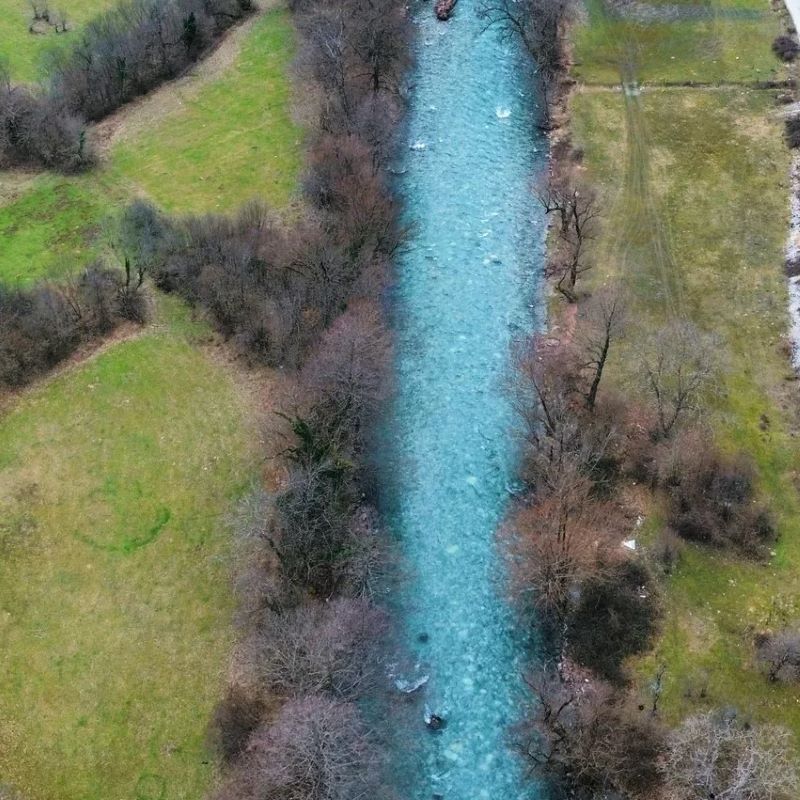
Radika River and Canyon show a wilder side of North Macedonia. The river rises below Golema Vratsa at about 2,260 meters, runs 64.7 kilometers through the watershed of Mavrovo National Park, and reaches Debar Lake near the Black Drin. Around it, Korab, Bistra, and Šar create a mountain frame that gives the valley its strong shape and cool alpine feel. This is a route for travelers who enjoy deep scenery, clear water, old villages, and a road that keeps opening new views around every bend.
Why Radika River and Canyon stand out
Radika stands out because the valley feels big, clean, and direct. The river gives the central part of Mavrovo National Park much of its identity, and the park’s own tourism and hydrology material place the Radika basin at the core of the protected area. The same official sources describe a landscape of canyons, caves, springs, tributaries, and fast cold water rich in oxygen. That mix creates a place that feels scenic at first glance, then grows more interesting as you learn how the river shapes the land, the wildlife, and the settlements along its course.
The canyon also makes a strong first impression because it pairs movement and stillness so well. The road follows the river through a narrow corridor of rock, forest, and open sky. In one short stretch you can see steep slopes, gravel bars, shadowed bends, and bright green water. Official park studies record 16 canyons and 42 caves within the Radika watershed, which helps explain why the terrain feels so dramatic and varied even on a simple day drive.
Geography gives the valley its character
The geography of Radika explains nearly everything a visitor sees. The river basin covers about 879.8 square kilometers, and the park study places the headwaters in a high cirque below Korab terrain, with the river gathering force from streams and tributaries as it moves south. Bistra rises on one side, Korab and the connected massifs rise on the other, and the valley cuts between them with a clear sense of direction. This is why Radika feels like a true corridor rather than a single viewpoint. The river draws you through the mountains instead of keeping you in one fixed place.
The water itself adds another layer. Park documents describe the upper and middle Radika as cold mountain water with strong oxygen levels, conditions that support salmonid fish. The same study records four trout species in the park, including three native Western Balkan endemics. For travelers, that ecological detail matters because it shows that Radika is more than a scenic road river. It is a living mountain system with real biological value, and that makes every stop by the water feel richer and more grounded.
A valley shaped by nature and human passage
The wider Radika story sits inside Mavrovo National Park, which the National Assembly established in 1949 for its natural beauty and scientific and historical value. That early protection helped keep the valley visually intact even as roads, villages, and monasteries continued to shape life in the region. The result is a landscape where you still feel the old mountain logic of movement, shelter, faith, and seasonal work. Forest, water, and settlement still sit close to each other here.
That human story becomes clearer as you move through the canyon. Villages and sacred sites appear where the terrain allows a little room, often on shelves above the river or at points where side valleys meet the main course. The park’s tourism zones identify the lower Radika area with Trnica, St. Jovan Bigorski, Janche, and Galichnik as one coherent visitor region. That grouping makes sense on the ground. Each stop adds a different angle on the same valley, whether you come for a monastery, a village meal, a trail, or a river view.
The sights that shape a Radika trip
St. Jovan Bigorski Monastery is one of the defining stops on the route. The monastery’s official history dates its foundation to 1020 and links it to John of Debar, while the national park presents it as one of the country’s significant monastery complexes. Bigorski matters because it brings art, woodcarving, faith, and mountain setting into one place. When you stand in its courtyard above the river road, the whole valley feels more layered. You see Radika as a place of worship and craftsmanship as much as a place of scenery.
Janche adds a gentler and more intimate stop. North Macedonia Timeless describes it as one of the oldest settlements in the Mijak region, set above the winding canyon of Radika. The same source points to the church and mosque in the village as a sign of long coexistence, and it describes rows of stone houses that hold to the slope with an old architectural rhythm. Janche gives the canyon a human face. After time on the road and at viewpoints, the village offers scale, texture, and a sense of daily life shaped by the river below.
Farther along the valley, Duf Waterfall near Rostuše adds an easy and rewarding nature stop. The national park says the marked trail from the village center reaches the waterfall in about 30 minutes and passes through a narrow canyon that rises to around 60 meters in places. That short walk works well because it changes the pace of the day. You leave the road, hear more water, and move into a cooler side gorge before returning to the main Radika route.
For travelers who want a bigger mountain goal, Korab Waterfall brings another level of drama. The official tourism page places it in the upper course of Dlaboka Reka on Mount Korab and says the fall reaches peak strength in late May and early June as snow melts. It also notes that you see the waterfall best from surrounding hills and from access routes through villages such as Nistrovo and Žužnje. This makes Korab a seasonal highlight rather than a quick roadside stop, which gives spring travel in the Radika region a special appeal.
What to do along the river
Radika works well for travelers who like active days. Park activity listings include rafting, kayaking, and fly-fishing on the river, while the park’s hiking pages describe marked mountain routes with open views over the valley of Radika. This range of activities matters because the canyon supports more than sightseeing. You can watch the river from above, move through it on the water, or slow down beside it with a fishing rod and see the valley at a calmer pace.
Photography also feels especially rewarding here. The river changes color with the light, the canyon narrows and opens in quick succession, and the villages add warm stone tones against the green slopes. Late spring brings strong water in the streams and a fuller Korab waterfall, while autumn usually gives clear air and rich color on the hillsides. That seasonal rhythm helps travelers choose the kind of Radika they want to see, lively and water-rich in spring, or quieter and color-heavy in early autumn. The spring water point is source-backed, while the autumn note is a travel inference from the canyon’s deciduous landscape and mountain climate.
Culture gives the valley depth
Radika would still be beautiful without its villages, yet the culture along the canyon gives it real staying power. Janche shows this clearly through its hillside houses and the presence of both church and mosque in one compact settlement. Bigorski adds monastic tradition and woodcarving, while the wider Lower Reka area keeps alive the memory of regional building styles, pastoral movement, and village-centered life. These elements help visitors understand that the canyon has always been more than a passage through mountains. It has also been a lived cultural landscape.
Food and local products fit naturally into that story. Tourism pages for Radika point travelers toward simple mountain flavors along the road, including polenta and sheep yogurt, and the region’s pastoral economy still shapes the feel of village stops today. A lunch in Janche or near Bigorski therefore does more than fill time between viewpoints. It connects the river to grazing land, dairy traditions, and the slower pace that still defines this part of western North Macedonia.
Practical tips for the drive
The practical side of Radika deserves attention because this is a mountain road trip first and a casual promenade second. The road study for the Boskov Most to Debar section identifies the route as part of regional road R1202 and describes mountainous terrain, narrow geometry, drainage problems, and the need for retaining and protection structures against landslides. Current road condition reports in North Macedonia also continue to warn that landslides are possible on the Mavrovo to Debar to Struga route. That means a careful pace and a same-day road check make good sense before you head into the canyon.
An early start also improves the day. Morning light works well in the canyon, traffic stays lighter, and stops at Bigorski, Janche, or Duf feel calmer before midday. Good shoes help for side trails, and a full tank from a larger town makes the route easier. The road connects key settlements, yet the valley still feels rural and spread out, with villages scattered across a large mountainous municipality of 42 settlements. That scale is part of the charm, and it also rewards a little planning.
A strong one-day route through Radika
A well-paced Radika day trip can start in Mavrovo, then follow the river south through Trnica toward Bigorski. After time at the monastery, continue to Janche for the village atmosphere and lunch, then stop at Rostuše for the short walk to Duf Waterfall. This route works because it gives you the valley in layers. You begin with the broad river corridor, then move into sacred art, village culture, and a side-canyon walk before the road opens again toward Debar.
Travelers with more time can turn the same route into an overnight stay and build in a higher mountain outing on the second day. Spring suits a Korab Waterfall plan, while a broader Mavrovo loop can include Galichnik and ridge views back over the Radika basin. The park’s tourism structure already links these places as part of one visitor region, so the itinerary feels natural rather than forced. Radika works best when you let the valley set the pace and allow room for both long views and short local stops.
Why Radika stays with you
Radika River and Canyon stay with travelers because the valley feels whole. The geography gives it form, the river gives it movement, the villages give it warmth, and the monastery gives it depth. Add trout water, mountain trails, waterfalls, and the presence of wildlife in the surrounding park, including the Balkan lynx that conservation groups and park studies identify as one of Mavrovo’s key species, and the region gains a rare kind of balance. It feels scenic, lived-in, and ecologically important all at once.
For travelers who want a fuller picture of North Macedonia, Radika gives one of the strongest answers. You see the country’s mountain drama here, yet you also see faith, coexistence, craft, and roadside village life holding firm beside a clear fast river. That combination gives the canyon its real power. The views draw you in first. The layered story is what stays.

Tours that include this place
Radika Mavrovo Loop
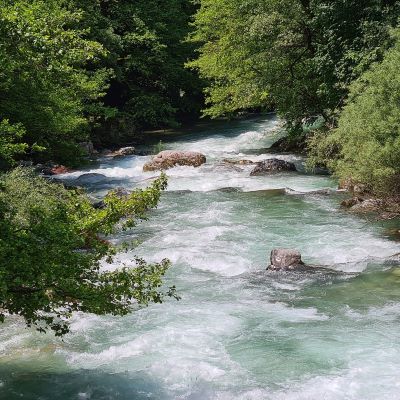
Soak in Debar’s thermal pools, trace the Radika canyon to chanting Bigorski, lunch by Mavrovo Lake, and return via quiet Kičevo valleys. A scenic 13-hour loop of waters, canyons, and villages.
Thermal Peaks Villages

Begin with a Debar soak, climb Radika and Mavrovo to Galichnik and Lazaropole for rustic lunch, then finish among Ohrid’s sunset icons. Wellness, folklore, and panoramas in 14 uplifting hours.